
A Beginner’s Guide to Stretching at Home for Better Flexibility
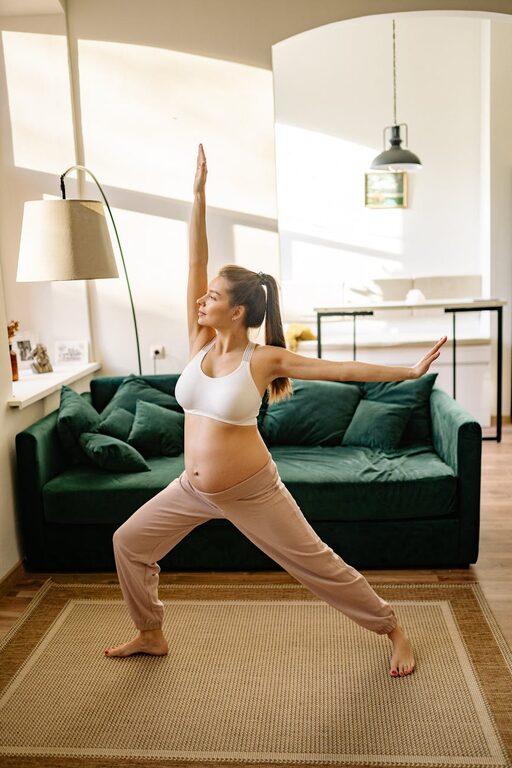
Stretching is a wonderful way to promote flexibility, relieve muscle tension, and enhance your overall sense of wellness. Whether you’re looking to improve your fitness routine, ease stiffness, or simply add a calming ritual to your day, stretching at home can be a simple and effective practice. This beginner’s guide will walk you through the basics of stretching, why it matters, and how you can create a safe and enjoyable routine right in your living room.
Why Stretching Matters
Regular stretching offers numerous benefits for your body and mind:
– Improves flexibility: A flexible body moves more easily and with less effort.
– Reduces muscle tension: Stretching helps release tightness after long periods of inactivity or exercise.
– Enhances circulation: Stretching increases blood flow to muscles and joints.
– Supports better posture: Stretching helps counteract the effects of sitting for long periods.
– Promotes relaxation: Stretching can calm your mind and reduce stress.
Understanding these benefits can motivate you to make stretching a consistent habit.
Getting Started: Stretching Essentials for Beginners
Before beginning any stretching routine, it’s important to prepare your body and create a safe environment.
Create a Comfortable Space
– Choose a quiet area with enough room to move freely.
– Use a yoga mat or soft surface to cushion your joints.
– Wear comfortable clothing that allows flexibility.
Warm Up Your Body
Stretching cold muscles can cause injury. Warm up for 5 to 10 minutes with light activity such as walking in place or gentle arm swings to increase blood flow.
Understand the Types of Stretching
– Static Stretching: Involves holding a stretch for 15-30 seconds without moving. Great for improving flexibility.
– Dynamic Stretching: Uses controlled movements to prepare muscles for activity. Ideal as a warm-up before exercise.
– PNF Stretching: A more advanced technique involving contracting and relaxing muscles; usually done with a partner.
For beginners, focus mainly on static stretches, which are safer and easier to perform.
Simple Home Stretches to Try
Here are some beginner-friendly stretches targeting key muscle groups. Hold each stretch gently without bouncing, and stop if you feel pain.
Neck Stretch
– Sit or stand tall.
– Slowly tilt your head toward your right shoulder until you feel a gentle stretch on the left side.
– Hold for 20-30 seconds.
– Repeat on the left side.
Shoulder Stretch
– Bring your right arm across your chest.
– Use your left hand to press your right arm gently towards your body.
– Hold for 20-30 seconds.
– Switch arms.
Cat-Cow Stretch (Spine Mobility)
– Start on your hands and knees.
– Arch your back, tucking your chin to your chest (Cat).
– Then dip your back, lifting your head and tailbone (Cow).
– Repeat slowly for 6-8 rounds.
Seated Hamstring Stretch
– Sit on the floor with your right leg extended.
– Bend your left leg so the sole touches your right inner thigh.
– Reach toward your right toes with both hands without rounding your back excessively.
– Hold for 20-30 seconds.
– Switch legs.
Quadriceps Stretch
– Stand upright and hold onto a support if necessary.
– Grab your right ankle behind you, pulling gently toward your buttock.
– Keep your knees close together and hips facing forward.
– Hold for 20-30 seconds.
– Switch sides.
Calf Stretch
– Stand facing a wall.
– Place your hands on the wall at shoulder height.
– Step one foot back, keeping it straight and heel on the floor.
– Lean forward to feel a stretch in the back calf.
– Hold for 20-30 seconds.
– Switch legs.
Tips for a Safe and Effective Stretching Routine
– Breathe deeply: Maintain steady, deep breaths during each stretch.
– Avoid bouncing: Stretch slowly and hold; bouncing can cause injury.
– Don’t overdo it: Stretch to the point of mild tension, not pain.
– Stay consistent: Aim to stretch at least 3 times a week for noticeable benefits.
– Listen to your body: If you experience sharp pain or discomfort, stop and reassess your form.
Sample Beginner Stretching Routine (15-20 minutes)
- Warm-up (5 minutes): March in place or gentle walking.
- Neck stretch (2 x 20 seconds per side)
- Shoulder stretch (2 x 20 seconds per side)
- Cat-Cow stretch (6-8 rounds)
- Seated hamstring stretch (2 x 20 seconds per leg)
- Quadriceps stretch (2 x 20 seconds per leg)
- Calf stretch (2 x 20 seconds per leg)
Finish with slow, relaxed breathing and gentle movements to ease out of the routine.
When to Stretch
– After waking up: Helps reduce morning stiffness.
– Before or after workouts: Prepares muscles for activity or aids recovery.
– During breaks: A quick stretch can relieve tension from sitting.
– Before bedtime: Gentle stretches can promote relaxation and better sleep.
Final Thoughts
Stretching at home is a convenient and accessible way to improve your physical health and mental well-being. Starting with simple, gentle stretches and building a routine that fits your lifestyle can make a big difference over time. Remember to be patient with your body as flexibility improves gradually. With consistency and care, stretching can become a rewarding part of your everyday self-care practice.
Give these tips and stretches a try today, and enjoy the benefits of a more flexible, relaxed you!